 Business License

Yeast Selenium Feed Additive: A Natural & Efficient Organic Solution for Farmed Animals Health
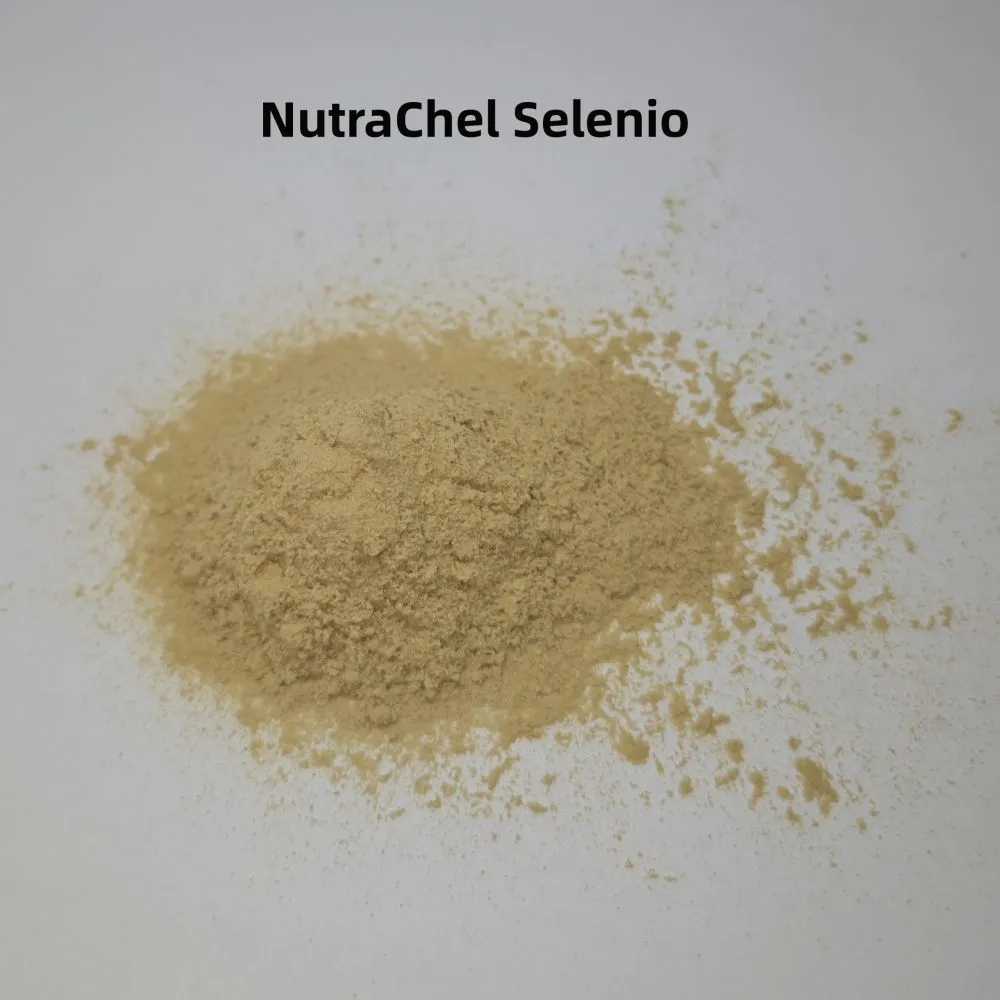
Selenium is essential for livestock health, supporting antioxidant defense, immunity, and reproduction. However, traditional inorganic selenium (e.g., sodium selenite) has low bioavailability, high toxicity, and poor absorption. Yeast selenium feed additive, an organic alternative, combines safety and efficiency, upgrading selenium supplementation in animal husbandry.
Product Introduction
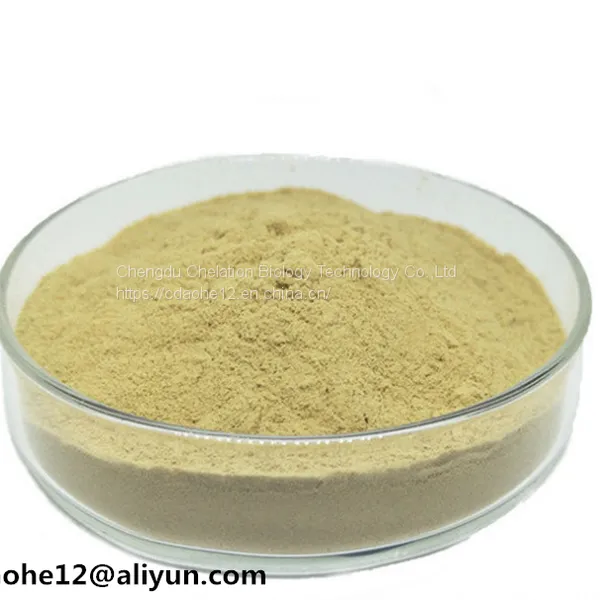
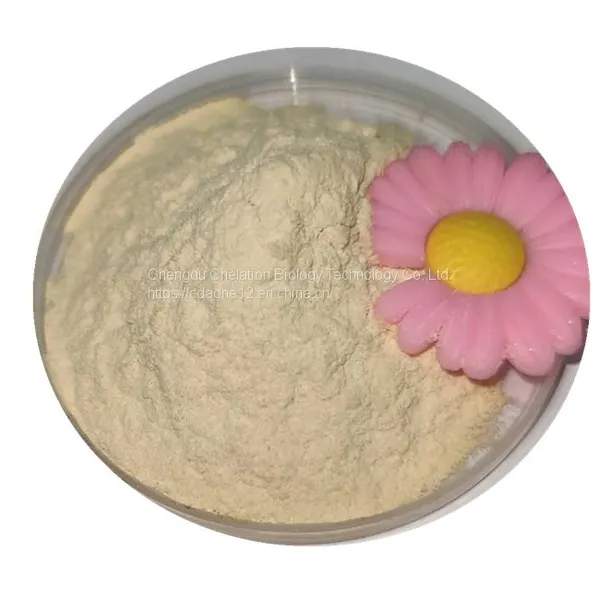
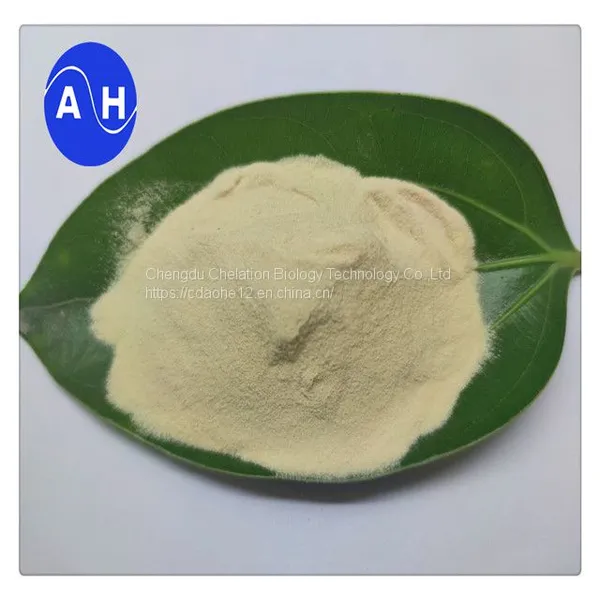
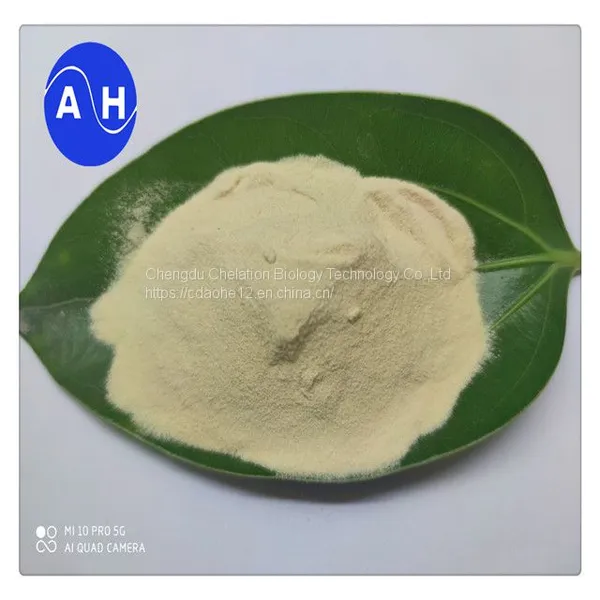
Yeast selenium is produced by fermenting Saccharomyces cerevisiae or Candida utilis in selenium-rich media. Yeast cells absorb inorganic selenium and convert it into easily utilized organic forms (mainly selenomethionine and selenocysteine). Unlike inorganic selenium, it integrates into yeast protein, making it safer, more stable, and suitable for poultry, livestock, and aquatic breeding.
Content Specification
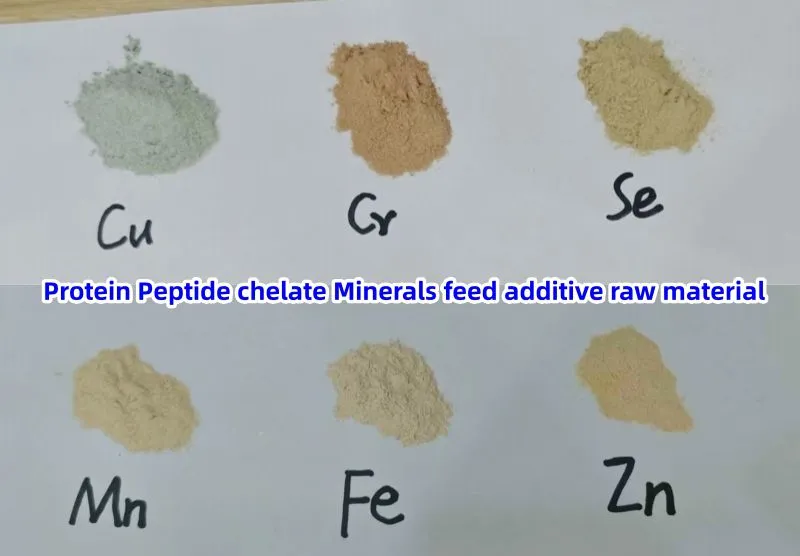
Yeast selenium content is formulated for different animals, with common feed-grade specs of 1000mg/kg, 2000mg/kg, or 3000mg/kg (organic selenium ≥98%). Optimized fermentation can reach 2846μg/g dry yeast. Recommended additions: 0.3-0.6mg/kg DM for dairy buffaloes, 0.3mg/kg for young Rex rabbits, 1.5mg/kg for laying hens.
Product Characteristics
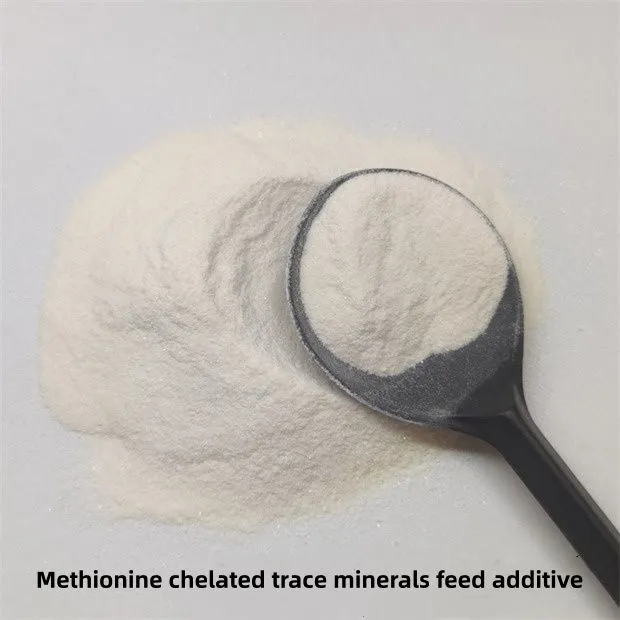
Compared with inorganic selenium, yeast selenium has distinct advantages: high bioavailability (2.9x that of sodium selenite in ruminants), safety (no poisoning risk or environmental residue), good stability (heat-resistant during processing), and dual nutrition (providing yeast protein and B vitamins).
Product Functions
Yeast selenium boosts livestock breeding efficiency and product quality: it enhances antioxidant capacity (increasing GSH-Px, reducing MDA), strengthens immunity (promoting lymphocyte proliferation), improves production performance (higher egg/milk yield, weight gain), optimizes product quality (selenium-enriched products, better meat color), and protects liver/reproductive health.
With demand for high-quality livestock products rising, yeast selenium is a top choice for breeders. Its advantages protect animal health, improve product quality, and support efficient, sustainable husbandry.
Recently Posted
-
Amino Acid Chelated Zinc Feed Additive Promote Animal Growth
February 11, 2026In modern animal husbandry, zinc is a vital trace element for maintaining livestock and poultry physiological functions, including Read More
 -
Small Peptide Chelated Minerals: Animal Feed Nutrition for Better Performance and Sustainability
February 11, 2026For decades, livestock and aquaculture producers have relied on inorganic trace minerals (ITMs) to meet animals’ nutritional needs Read More

Contact Us
Recommended Products
-
 High Quality Protein Chelate Selenium 0.2% Powder Nutrient Supplement Selenium-Enriched YeastUS$ 1950 - 2250MOQ: 2 Metric Tons
 -
Premium Magnesium Protein Amino Acid Chelated Magnesium Feed Additive for Livestock and PoultryUS$ 1200 - 1400MOQ: 2 Metric Tons
-
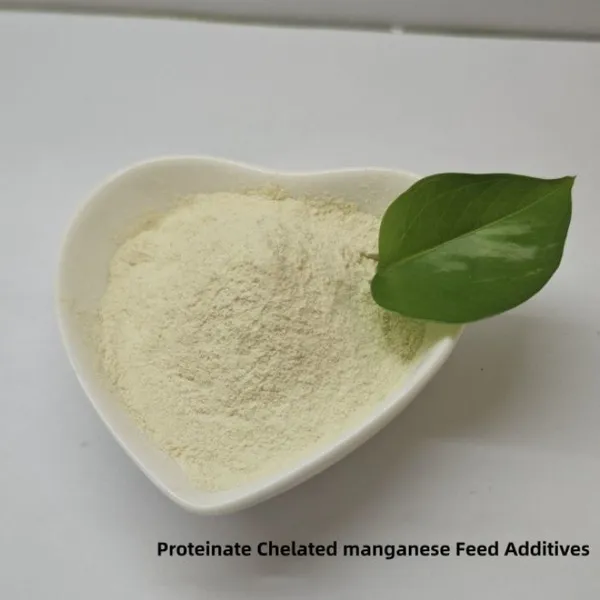
Factory Direct Sale Proteinate Manganese 20% Protein Peptide Chelate Minerals Animal FeedUS$ 1200 - 1400MOQ: 2 Metric Tons
-
Iron Proteinate 20% Mineral Absorption Livestock Immunity Premix Feed AdditiveUS$ 1200 - 1400MOQ: 2 Metric Tons
-
Protein Peptide Chelate Minerals Feed High Bioavailability for Livestock & Poultry Growth PromotionUS$ 1800 - 2100MOQ: 2 Metric Tons
-
Hydrolyzed Protein Powder Copper Proteinate Chelated Trace Mineral Feed AdditivesUS$ 4850 - 4980MOQ: 2 Metric Tons
-
HYDROLYZED PROTEIN POWDER ZINC PROTEINATE Animal Growth PromotionUS$ 1500 - 1700MOQ: 2 Metric Tons
-
Feed Protein Amino Chelated Micro Minerals 15% (Zn, Cu, Mn, Fe, Co) Promote AbsorptionUS$ 1250 - 1330MOQ: 5 Metric Tons
-
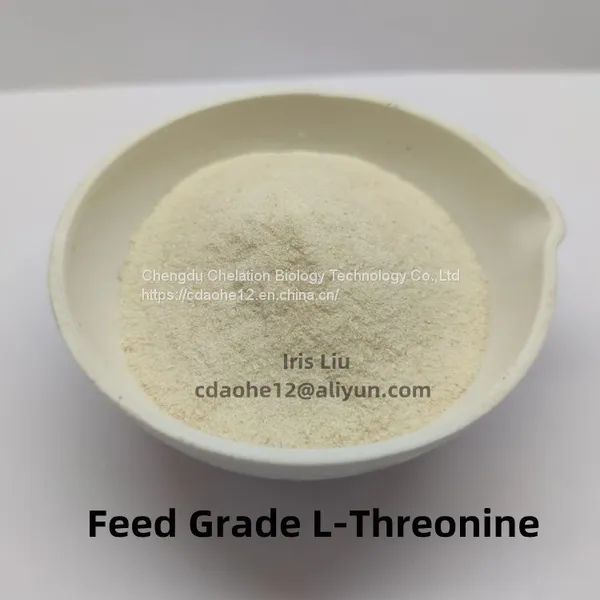
L-Threonine FEED GRADE (98.5%) Feed Amino Acids DL Methionine, Glycine, L-LysineUS$ 1700 - 1799MOQ: 5 Metric Tons
-
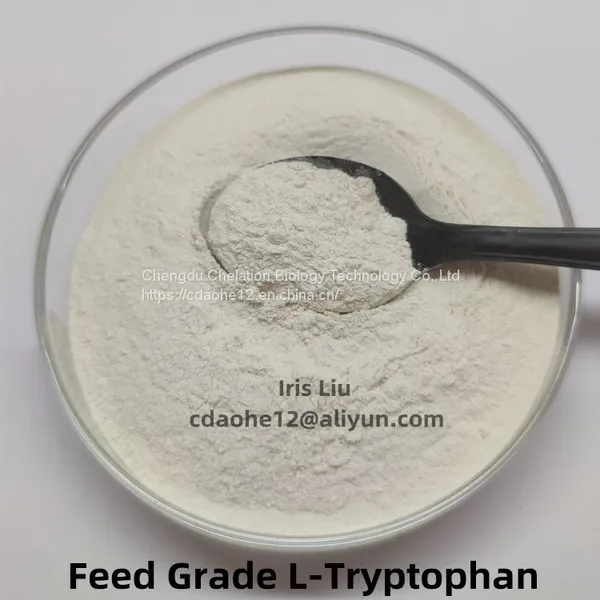
L-Tryptophan Feed Additive 99% Tryptophan CAS 73-22-3 Wholesale PriceUS$ 17.8 - 18.4MOQ: 1000 Kilograms
-
DL Methionine 99% Feed Grade for Poultry Feed Additive CAS 59-51-8 Dl-methionine PowderUS$ 2800 - 2900MOQ: 5 Metric Tons
-
98.5% L-Lysine HCl Feed Grade Organic Amino Acid For Animal Feed AdditivesUS$ 1600 - 1850MOQ: 5 Metric Tons
-
China Feed Grade Glycine Wholesale Amino AcidUS$ 2250 - 2450MOQ: 5 Metric Tons
-
AMINOACIDOS 26% USO AGRICOLA GRADO FERTILIZANTE FOLIAR CALCIO AminosUS$ 950 - 1100MOQ: 5000 Liters
-
Plant Source Vegetable Fertilizer Amino Acid 52% Soluble Powder Free Aminoacids 45%US$ 1050 - 1150MOQ: 5 Metric Tons
-
Chelated Calcium Magnesium Zinc Boron Molybdenum Organic Foliar Fruit FertilizerUS$ 1650 - 1750MOQ: 2 Metric Tons
-
Amino Acid Fertilizer With Around 16% Nitrogen Powder Aminoacids 80% Big BagsUS$ 2350 - 2450MOQ: 1 Metric Ton
-
Amino Power Nitrogen Fertilizer Plant Based High Nitrogen Fertilizer for Turf, Vegetables, FruitsUS$ 2400 - 2600MOQ: 2 Metric Tons
-
50% Compound Amino Acid Powder Chengdu Chelation Agro Aminoacids Supplier Chelate FertilizerUS$ 780 - 880MOQ: 10 Metric Tons
-
15% Iron Amino Aicd Chelated Organic Fertilizer AminoFe For Mineral NutritionUS$ 1300 - 1400MOQ: 2 Metric Tons