 Business License

Small Peptide Chelated Minerals: Animal Feed Nutrition for Better Performance and Sustainability
For decades, livestock and aquaculture producers have relied on inorganic trace minerals (ITMs) to meet animals’ nutritional needs—but this conventional approach comes with hidden drawbacks that hinder performance and harm the environment. From low absorption rates to nutrient antagonism and excessive mineral excretion, ITMs often fail to deliver optimal value. Today, a game-changing solution is gaining traction in the feed industry: small peptide chelated minerals. These innovative additives combine the nutritional power of minerals with the absorption efficiency of small peptides, addressing the limitations of traditional minerals and unlocking new possibilities for animal health and production profitability.
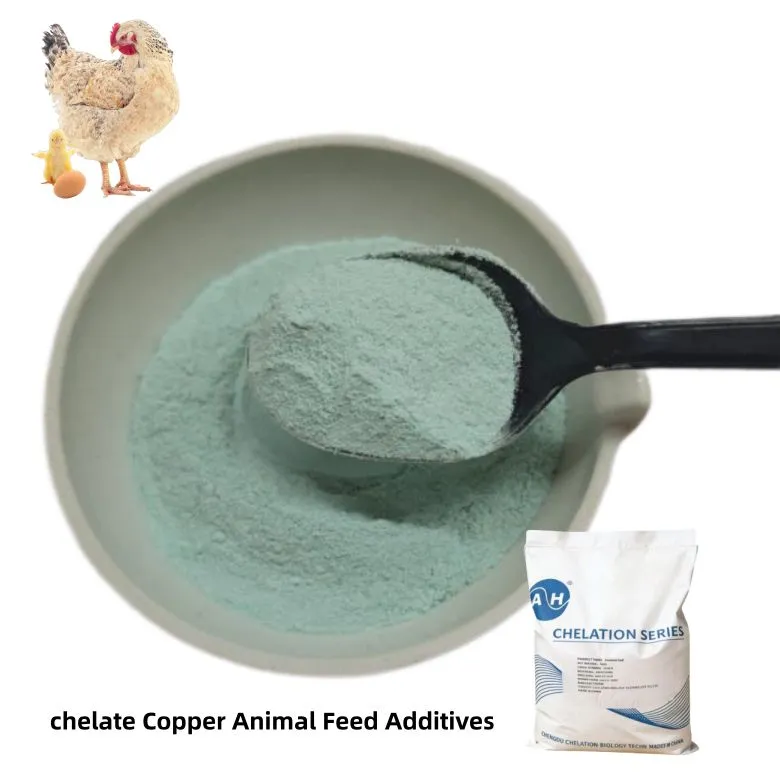
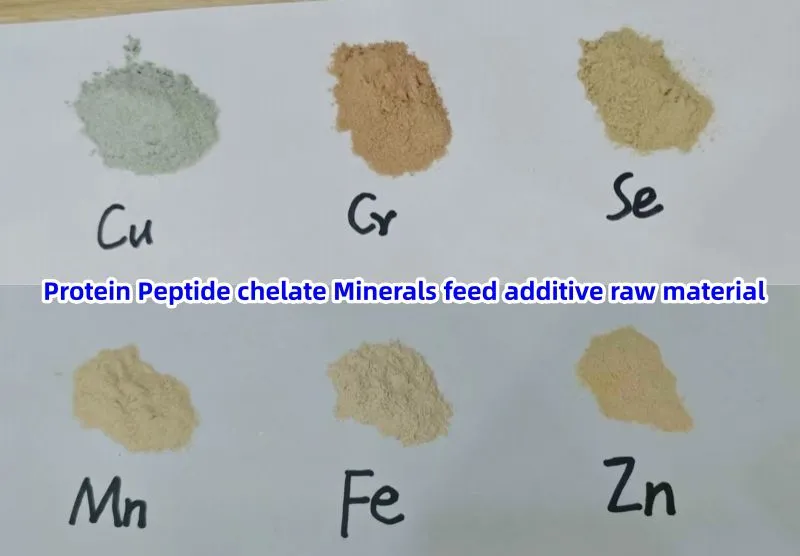
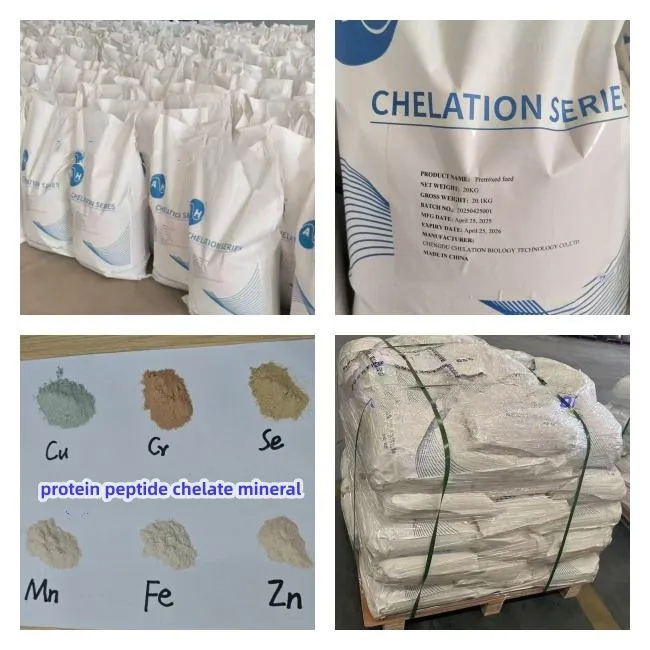
To understand why small peptide chelated minerals are a breakthrough, let’s start with the basics. Small peptides are short chains of 2 to 10 amino acids, derived from the enzymatic hydrolysis of proteins (such as soybean protein). Unlike free amino acids or large protein molecules, they are easily absorbed by the animal’s intestinal tract through specialized peptide transporters (e.g., PepT1) without complex digestion processes. What makes them unique as mineral carriers is their molecular structure: small peptides contain functional groups (carboxyl, amino, hydroxyl) that can form stable chelate complexes with mineral ions (including zinc, iron, manganese, selenium, and copper) through coordination bonds .
This “peptide-mineral” chelate structure is the key to their superiority over inorganic minerals. Traditional ITMs (like zinc sulfate, iron sulfate, or manganese oxide) exist as free ions in the digestive tract. In the acidic environment of the stomach or when mixed with other feed ingredients, these ions often dissociate, bind to anti-nutritional factors (such as phytic acid and oxalic acid), or compete with other minerals for absorption sites—leading to low bioavailability (typically only 10-30%) and nutrient antagonism . For example, high levels of calcium and phosphorus can reduce manganese absorption, while zinc antagonizes copper and manganese uptake . In contrast, small peptide chelated minerals maintain their stability throughout the digestive process: the peptide “claws” protect the mineral ion from dissociation and interference, allowing the entire chelate complex to be absorbed intact into the bloodstream .
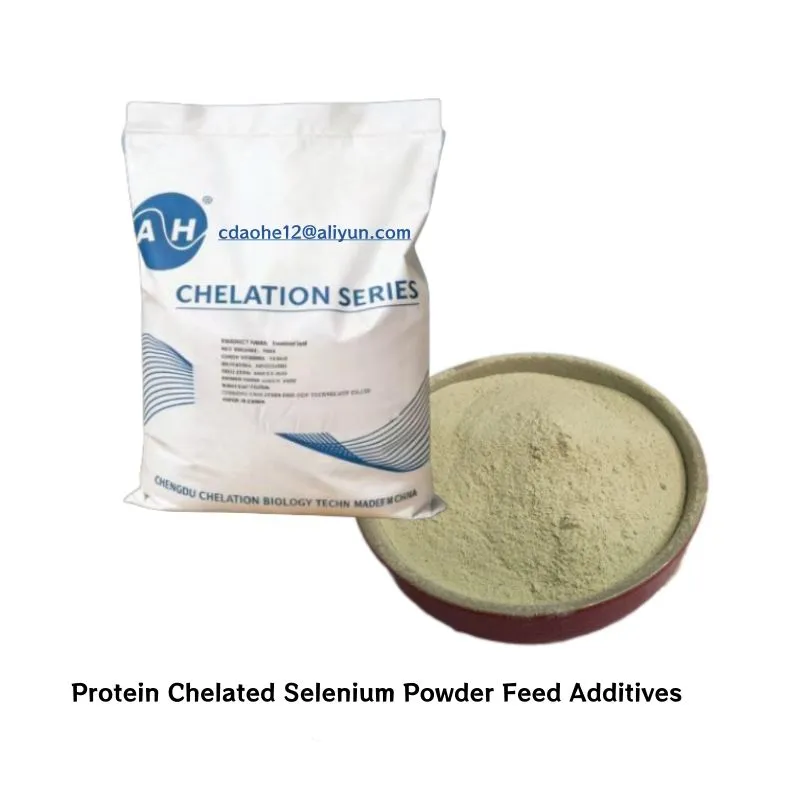
The benefits of small peptide chelated minerals extend far beyond better absorption—they deliver tangible value for producers, animals, and the environment:
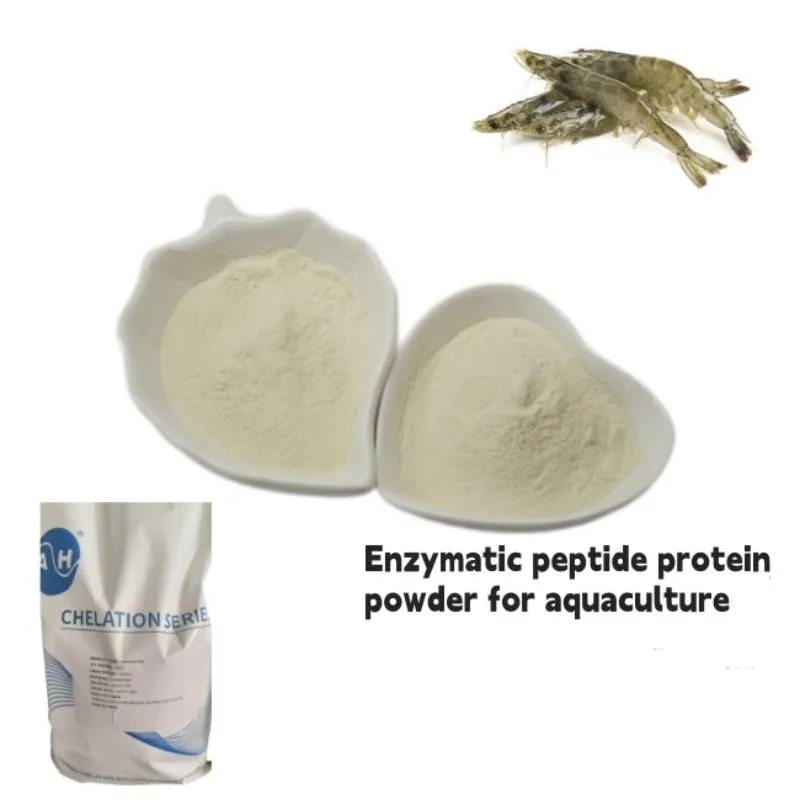
Higher Bioavailability & Feed Efficiency: Thanks to their stable structure and unique absorption pathway, small peptide chelated minerals have a bioavailability that is 50% higher than that of inorganic minerals . This means animals can absorb and utilize more minerals with less dietary supplementation. Studies have shown that replacing 40-50% of ITMs with small peptide chelated minerals in Pacific white shrimp diets maintains growth performance while enhancing physiological functions . In poultry, these additives improve feed conversion efficiency, reduce feed waste, and lower production costs by minimizing the amount of mineral needed in the formula .
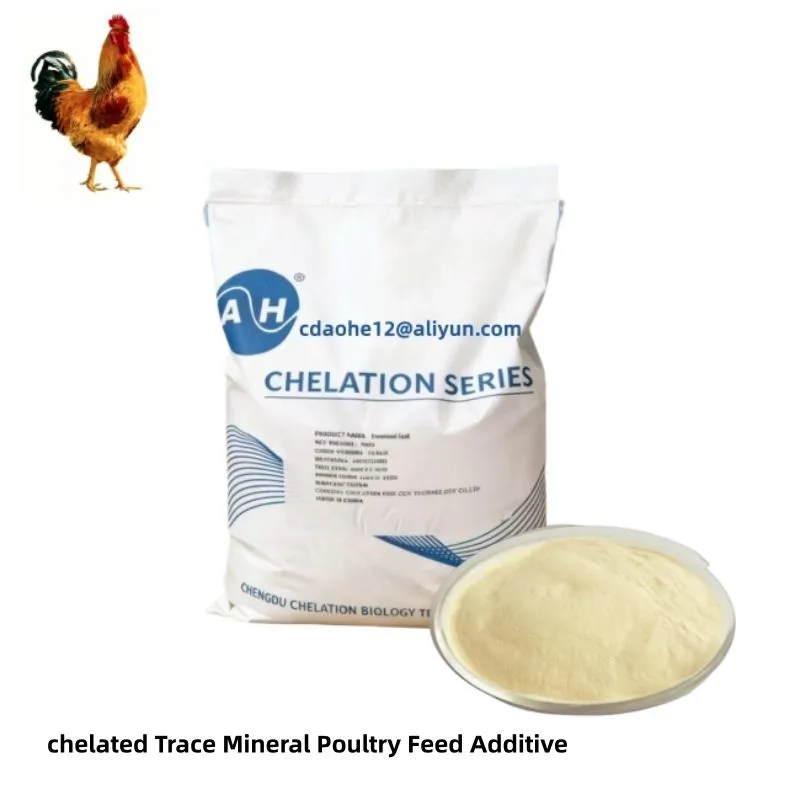
Enhanced Animal Health & Production Performance: Small peptides themselves have physiological activities—they promote protein synthesis, regulate immunity, and reduce oxidative stress . When combined with minerals, this creates a synergistic effect: the minerals support essential bodily functions (skeletal development, reproduction, immune response), while the peptides boost overall animal health. For instance, small peptide-iron chelates improve iron absorption by 2-3 times compared to ferrous sulfate, effectively preventing iron deficiency anemia in young animals and pregnant sows . In poultry, chelated minerals enhance eggshell quality and flock immunity by reducing oxidative stress . For aquaculture species like Pacific white shrimp, they reduce meat drip loss and improve body coloration .
Gentler on the Digestive System & Improved Safety: Free mineral ions from ITMs can accumulate in the intestinal tract, causing irritation, diarrhea, or constipation—especially in young or stressed animals . Small peptide chelated minerals release mineral ions slowly, avoiding local concentration spikes and reducing gastrointestinal discomfort. For example, the incidence of gastrointestinal adverse reactions from small peptide-iron chelates is 70% lower than that from ferrous sulfate . Additionally, the peptide structure reduces the pro-oxidative potential of minerals (such as iron and copper), preventing damage to other feed ingredients (enzymes, vitamins) and avoiding oxidative stress in animals .
Environmental Sustainability: One of the most pressing issues with ITMs is excessive mineral excretion. Since only a small portion is absorbed, most inorganic minerals are excreted in animal manure, leading to soil and water pollution (e.g., zinc and copper accumulation in farmland) . Small peptide chelated minerals significantly reduce mineral excretion by improving absorption efficiency. Research has shown that incorporating 50% small peptide chelated minerals in shrimp diets reduces fecal trace mineral excretion.
Recently Posted
-
Yeast Selenium Feed Additive: A Natural & Efficient Organic Solution for Farmed Animals Health
February 11, 2026Selenium is essential for livestock health, supporting antioxidant defense, immunity, and reproduction. However, traditional inorg Read More
 -
Amino Acid Chelated Zinc Feed Additive Promote Animal Growth
February 11, 2026In modern animal husbandry, zinc is a vital trace element for maintaining livestock and poultry physiological functions, including Read More

Contact Us
Recommended Products
-
 High Quality Protein Chelate Selenium 0.2% Powder Nutrient Supplement Selenium-Enriched YeastUS$ 1950 - 2250MOQ: 2 Metric Tons
 -
Premium Magnesium Protein Amino Acid Chelated Magnesium Feed Additive for Livestock and PoultryUS$ 1200 - 1400MOQ: 2 Metric Tons
-
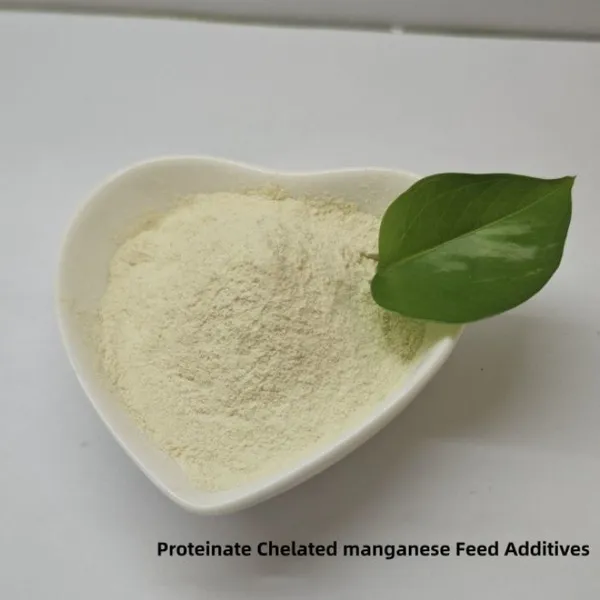
Factory Direct Sale Proteinate Manganese 20% Protein Peptide Chelate Minerals Animal FeedUS$ 1200 - 1400MOQ: 2 Metric Tons
-
Iron Proteinate 20% Mineral Absorption Livestock Immunity Premix Feed AdditiveUS$ 1200 - 1400MOQ: 2 Metric Tons
-
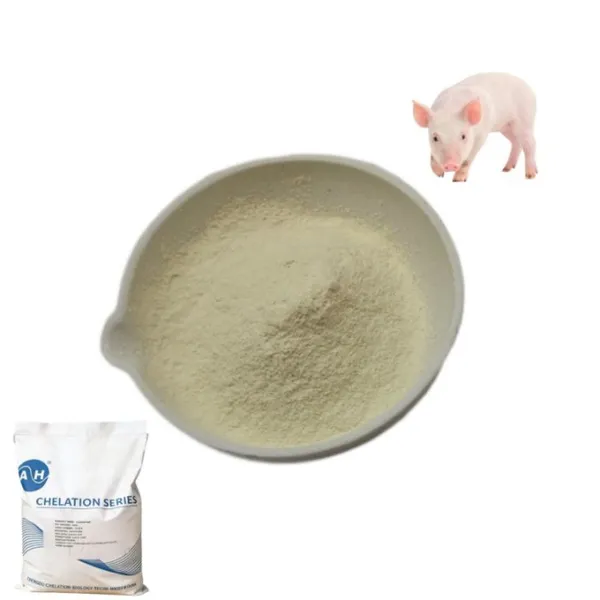
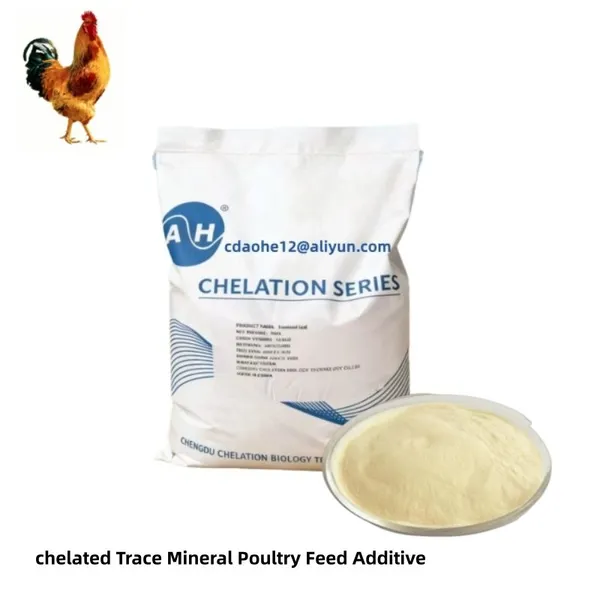
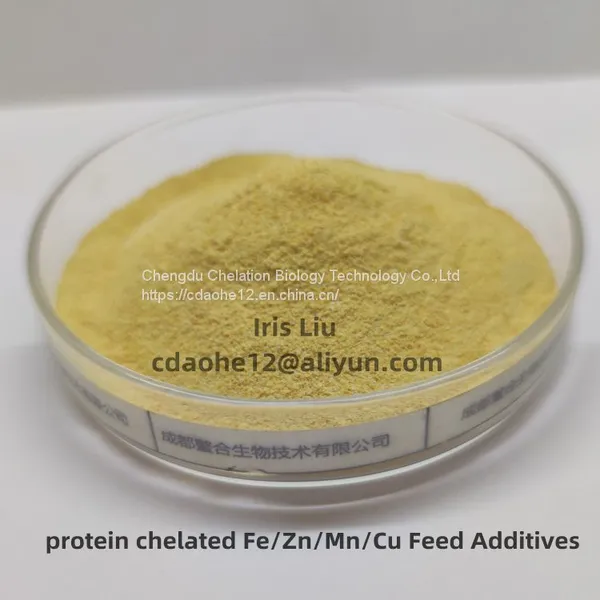
Protein Peptide Chelate Minerals Feed High Bioavailability for Livestock & Poultry Growth PromotionUS$ 1800 - 2100MOQ: 2 Metric Tons
-
Hydrolyzed Protein Powder Copper Proteinate Chelated Trace Mineral Feed AdditivesUS$ 4850 - 4980MOQ: 2 Metric Tons
-
HYDROLYZED PROTEIN POWDER ZINC PROTEINATE Animal Growth PromotionUS$ 1500 - 1700MOQ: 2 Metric Tons
-
Feed Protein Amino Chelated Micro Minerals 15% (Zn, Cu, Mn, Fe, Co) Promote AbsorptionUS$ 1250 - 1330MOQ: 5 Metric Tons
-
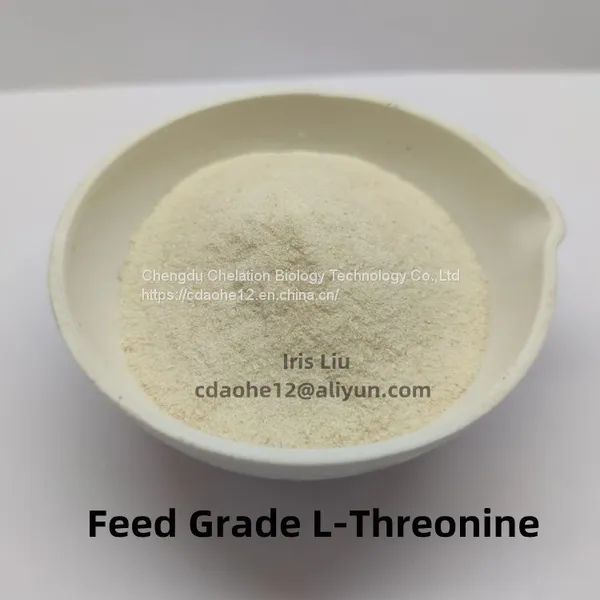
L-Threonine FEED GRADE (98.5%) Feed Amino Acids DL Methionine, Glycine, L-LysineUS$ 1700 - 1799MOQ: 5 Metric Tons
-
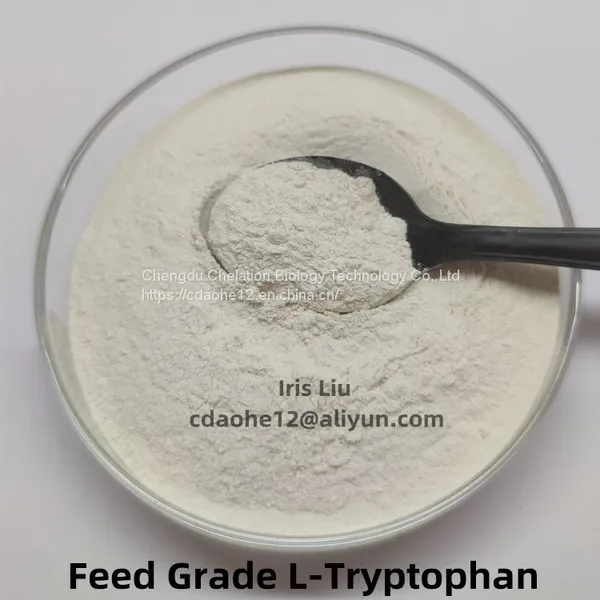
L-Tryptophan Feed Additive 99% Tryptophan CAS 73-22-3 Wholesale PriceUS$ 17.8 - 18.4MOQ: 1000 Kilograms
-
DL Methionine 99% Feed Grade for Poultry Feed Additive CAS 59-51-8 Dl-methionine PowderUS$ 2800 - 2900MOQ: 5 Metric Tons
-
98.5% L-Lysine HCl Feed Grade Organic Amino Acid For Animal Feed AdditivesUS$ 1600 - 1850MOQ: 5 Metric Tons
-
China Feed Grade Glycine Wholesale Amino AcidUS$ 2250 - 2450MOQ: 5 Metric Tons
-
AMINOACIDOS 26% USO AGRICOLA GRADO FERTILIZANTE FOLIAR CALCIO AminosUS$ 950 - 1100MOQ: 5000 Liters
-
Plant Source Vegetable Fertilizer Amino Acid 52% Soluble Powder Free Aminoacids 45%US$ 1050 - 1150MOQ: 5 Metric Tons
-
Chelated Calcium Magnesium Zinc Boron Molybdenum Organic Foliar Fruit FertilizerUS$ 1650 - 1750MOQ: 2 Metric Tons
-
Amino Acid Fertilizer With Around 16% Nitrogen Powder Aminoacids 80% Big BagsUS$ 2350 - 2450MOQ: 1 Metric Ton
-
Amino Power Nitrogen Fertilizer Plant Based High Nitrogen Fertilizer for Turf, Vegetables, FruitsUS$ 2400 - 2600MOQ: 2 Metric Tons
-
50% Compound Amino Acid Powder Chengdu Chelation Agro Aminoacids Supplier Chelate FertilizerUS$ 780 - 880MOQ: 10 Metric Tons
-
15% Iron Amino Aicd Chelated Organic Fertilizer AminoFe For Mineral NutritionUS$ 1300 - 1400MOQ: 2 Metric Tons